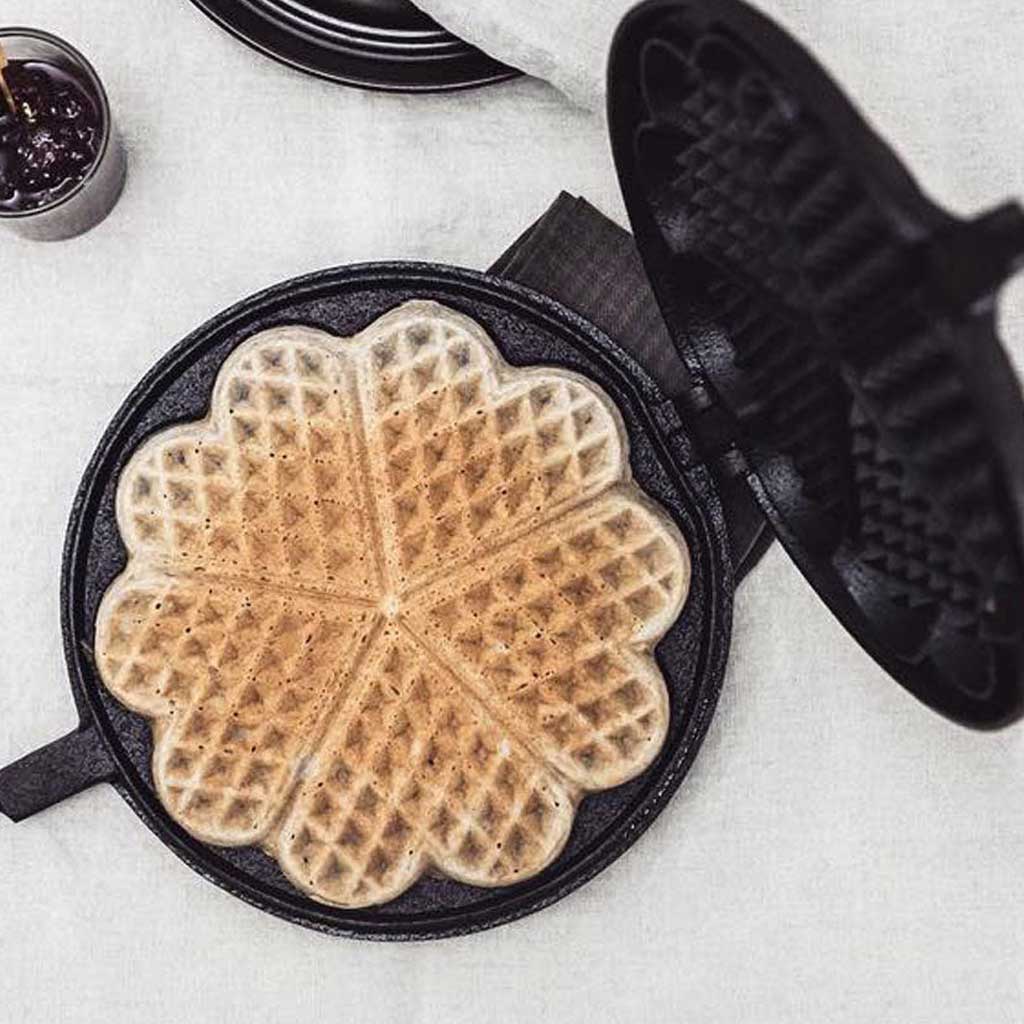
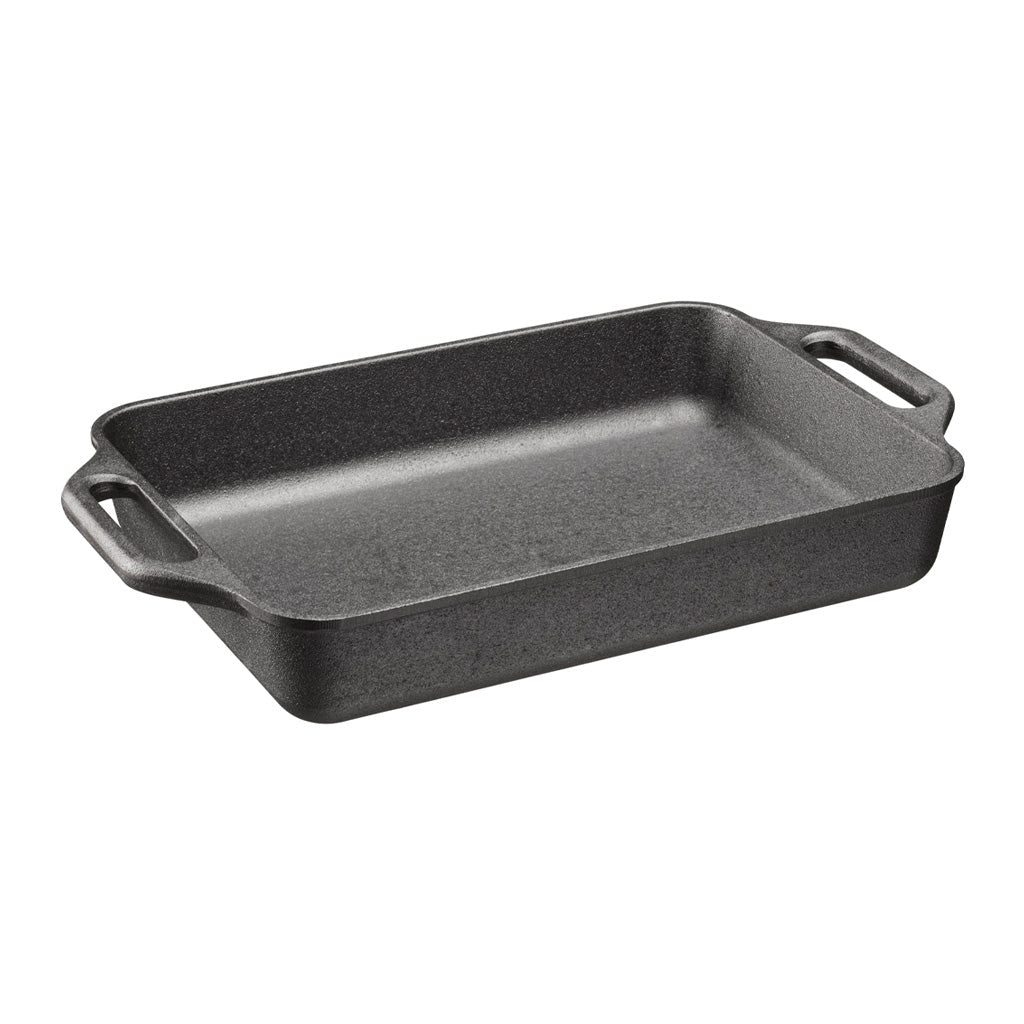
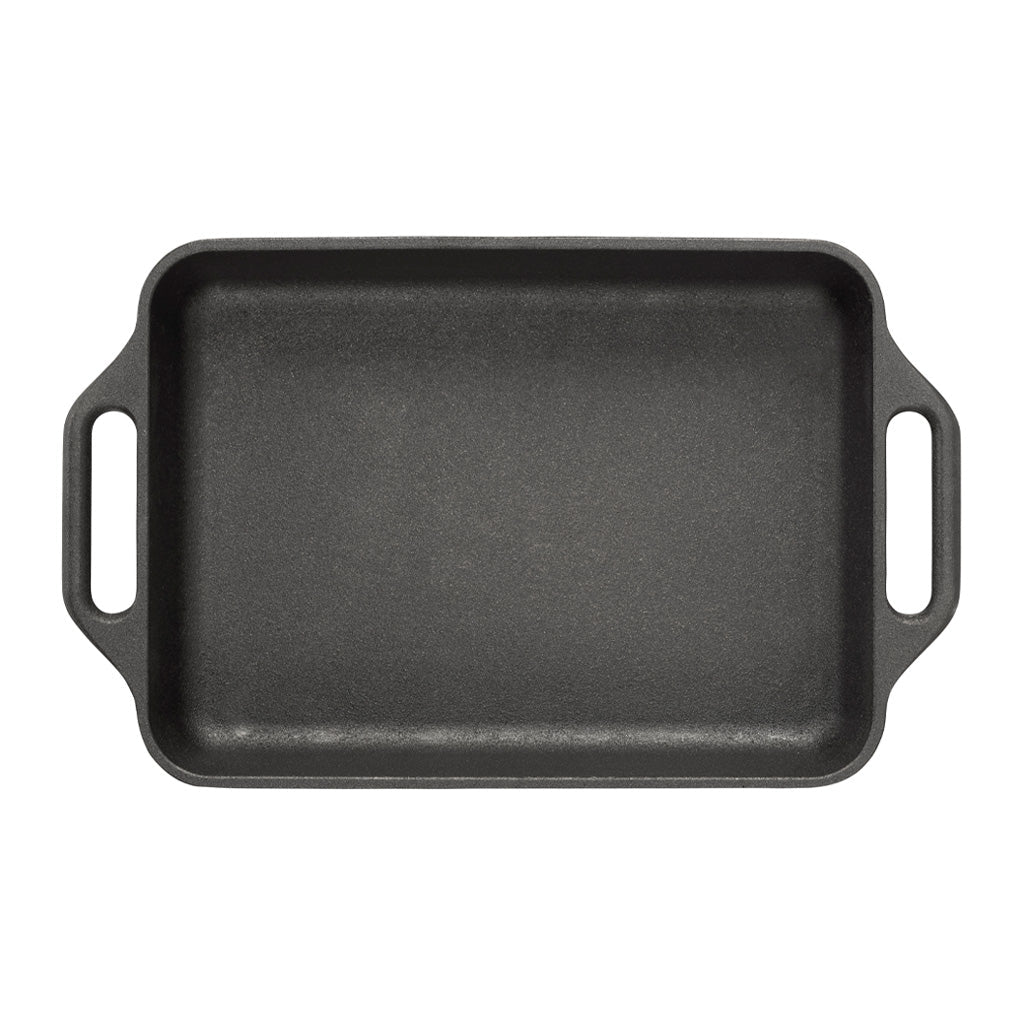
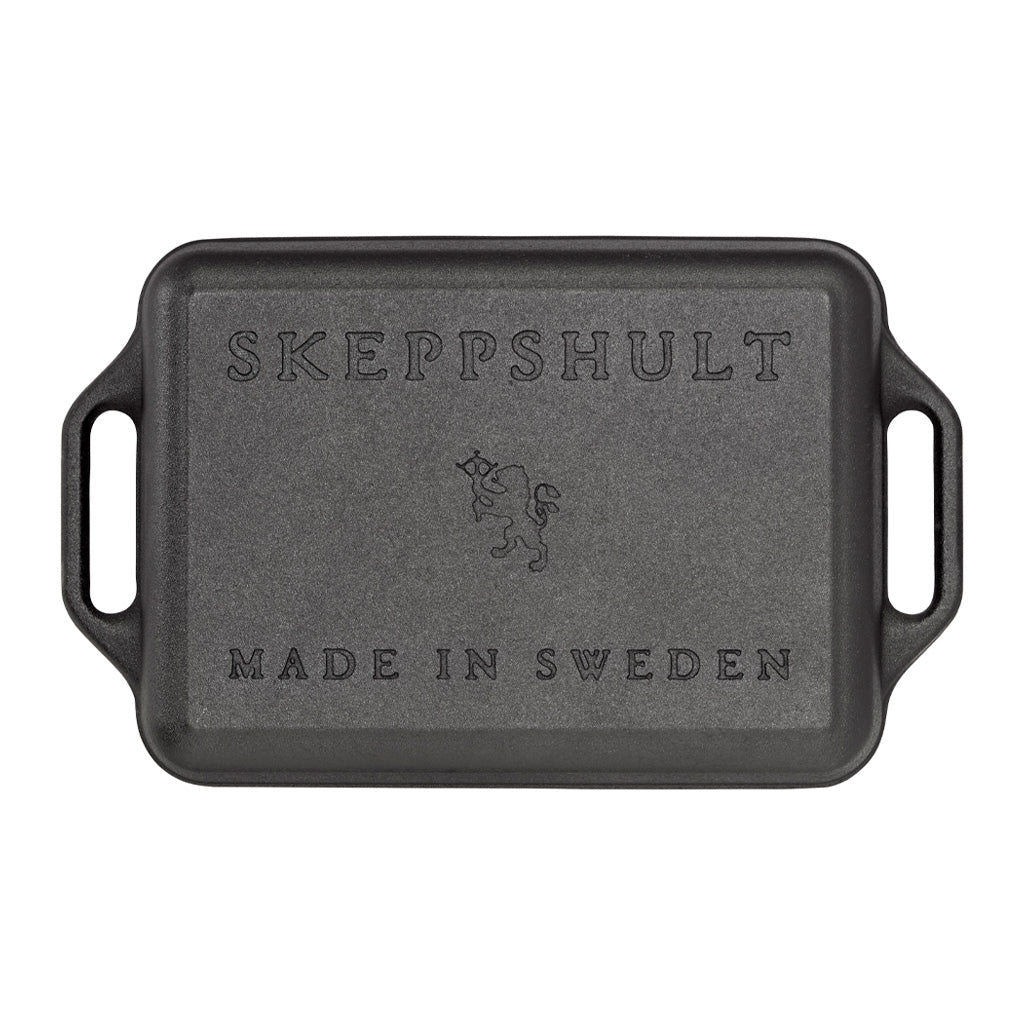
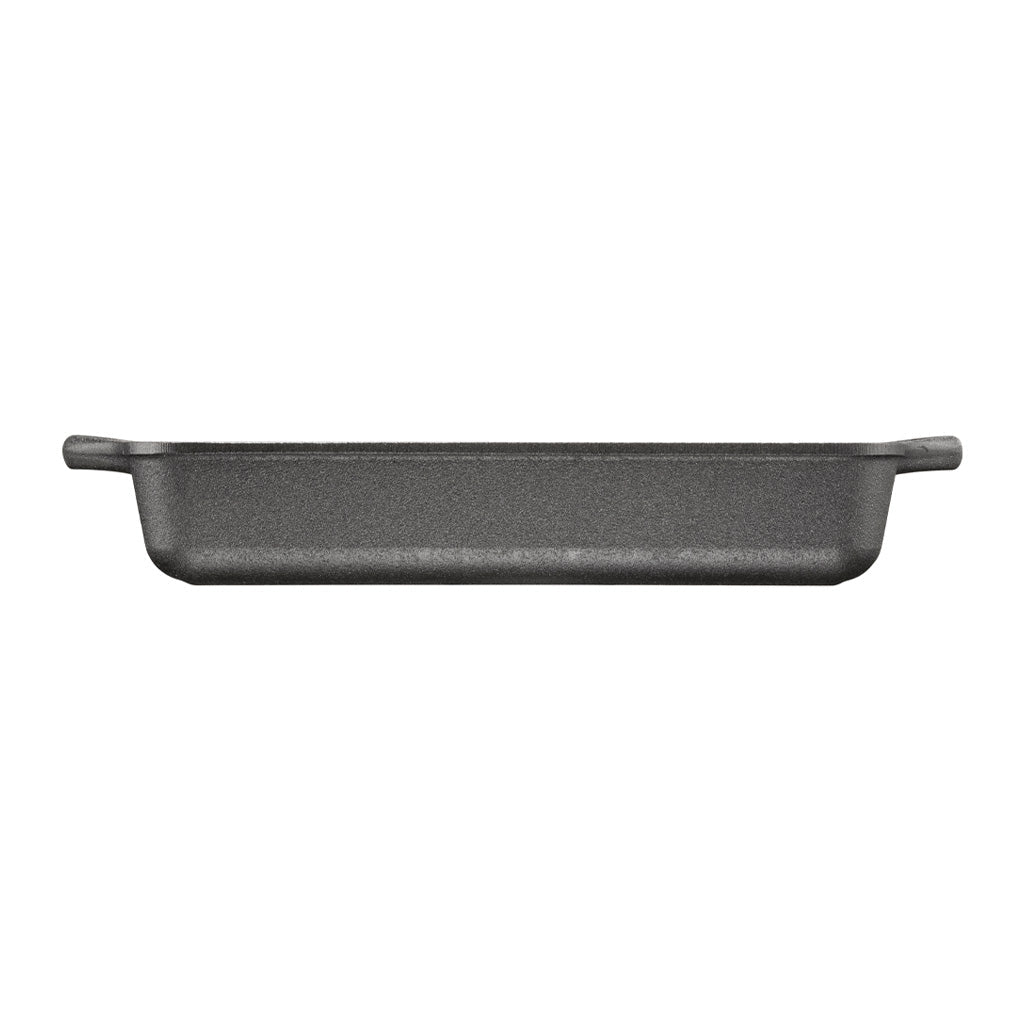
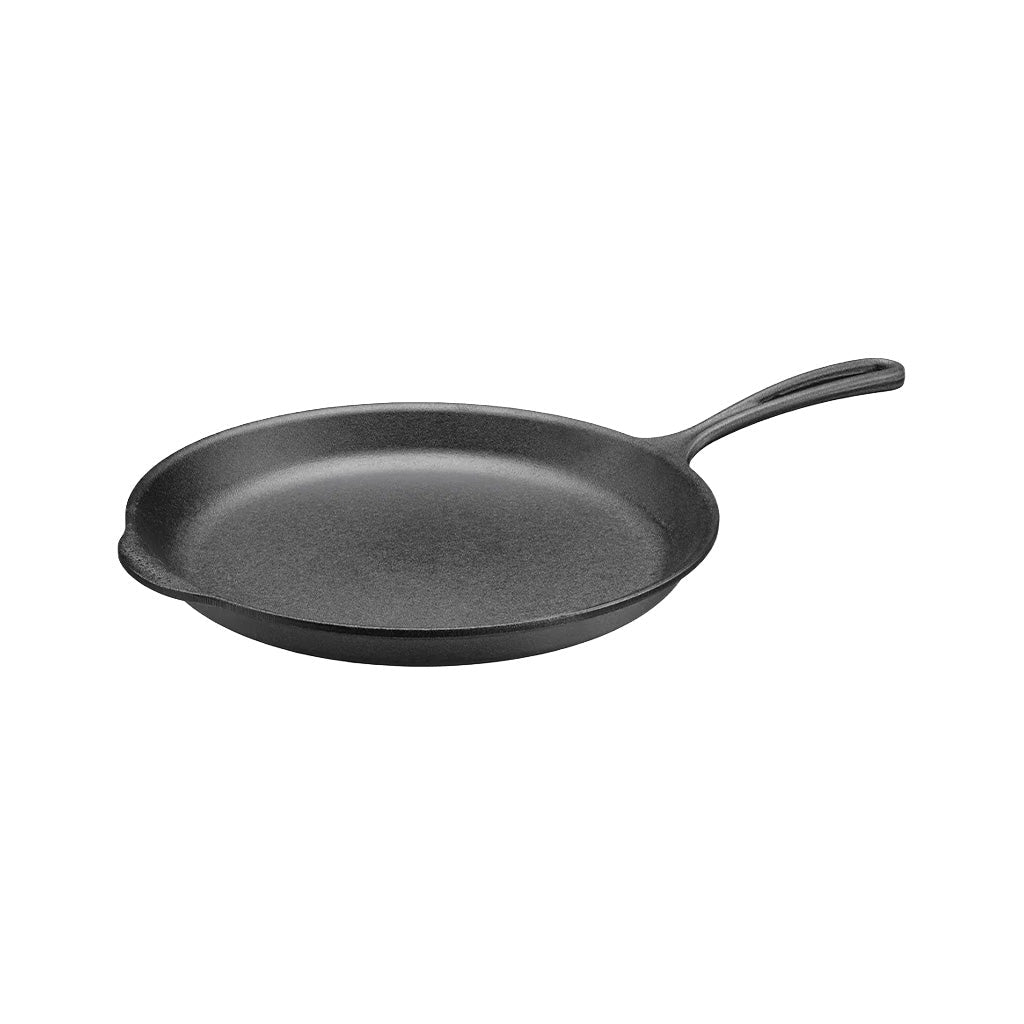
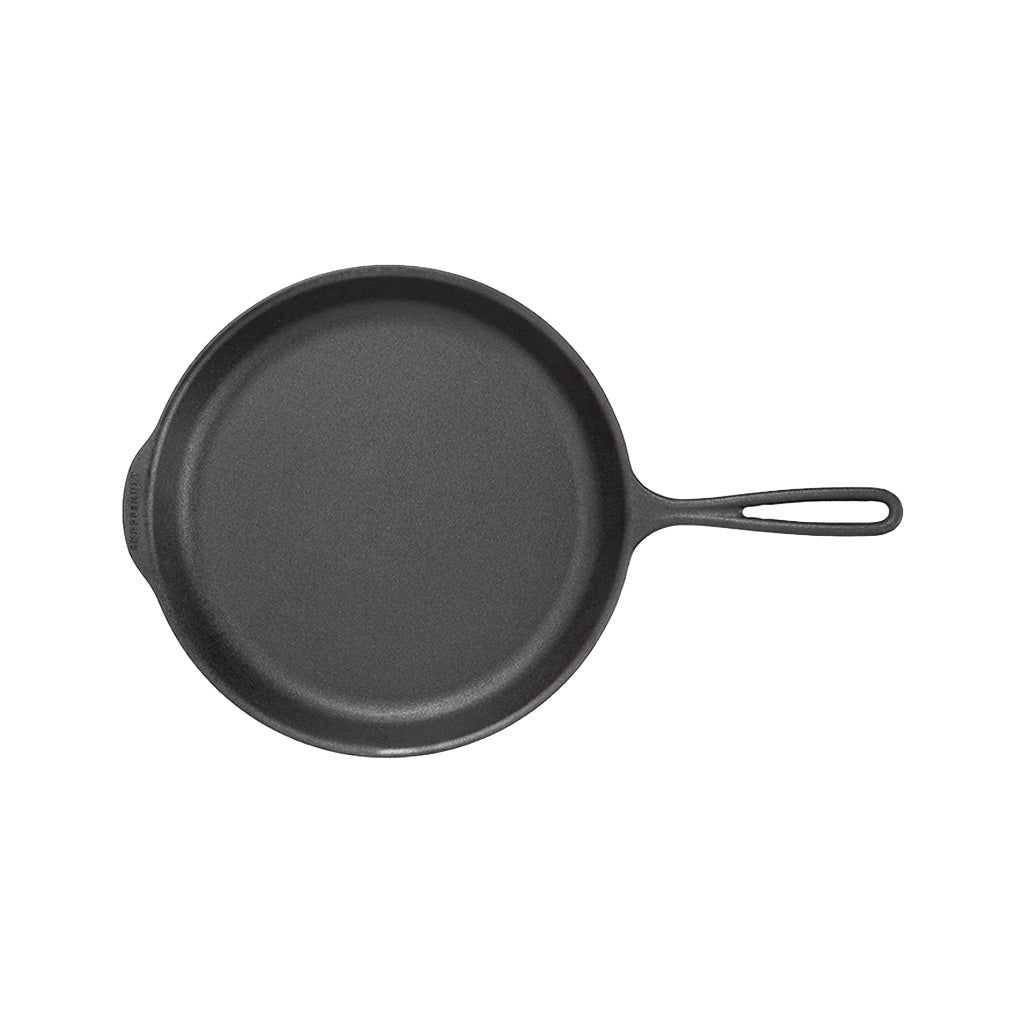
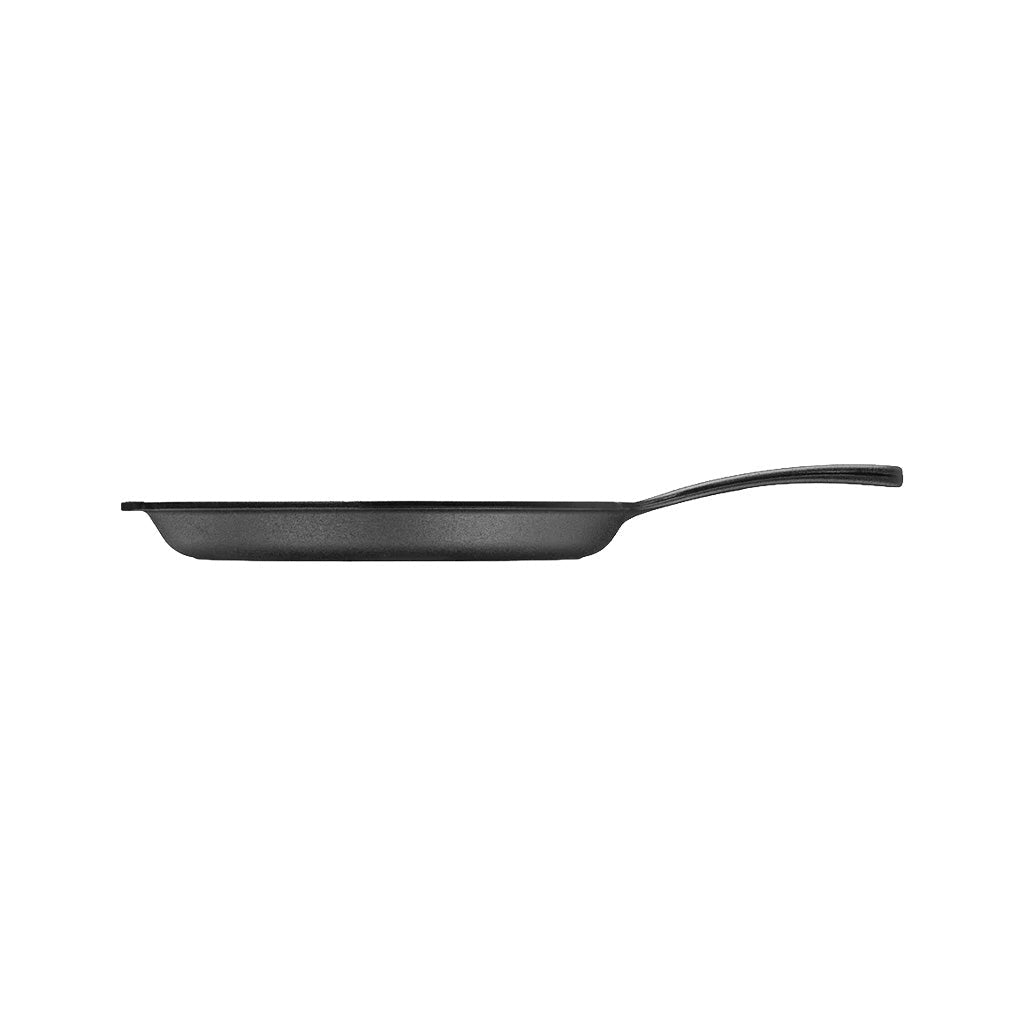
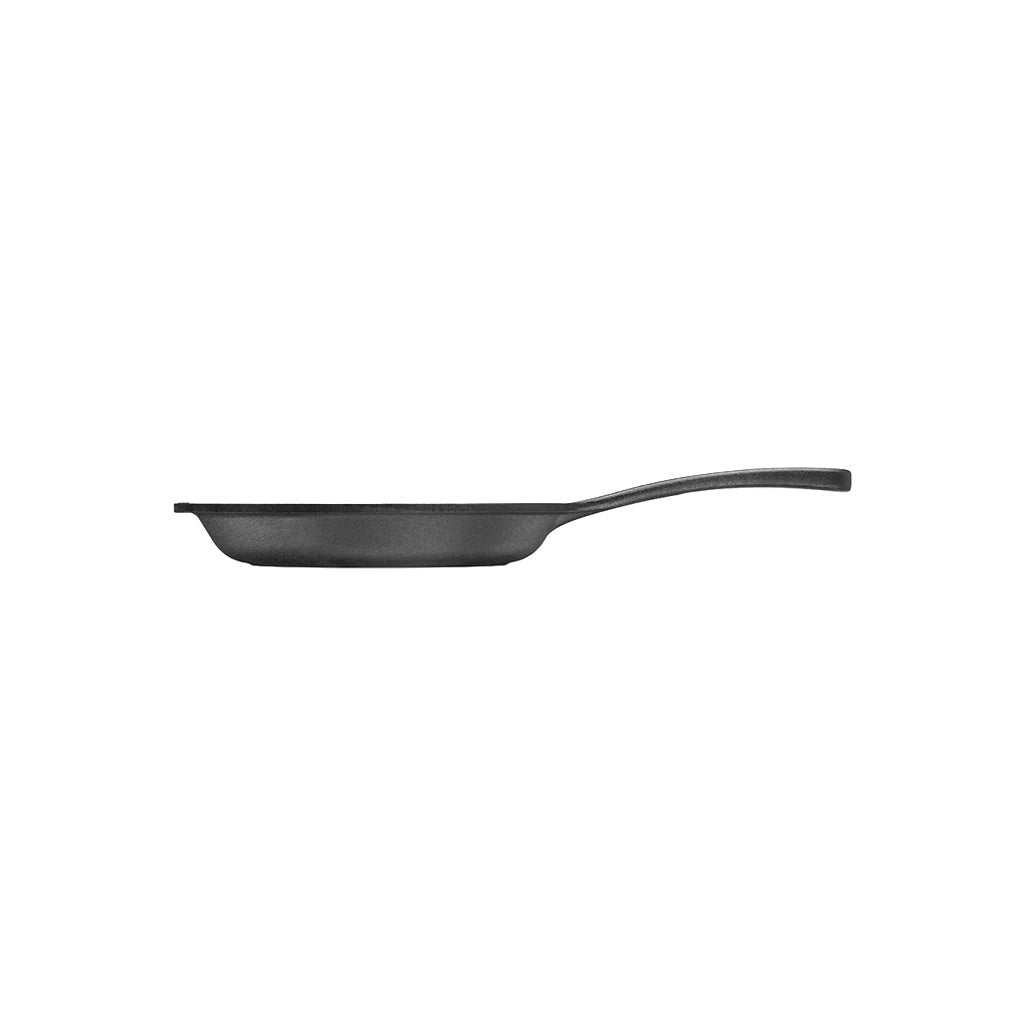
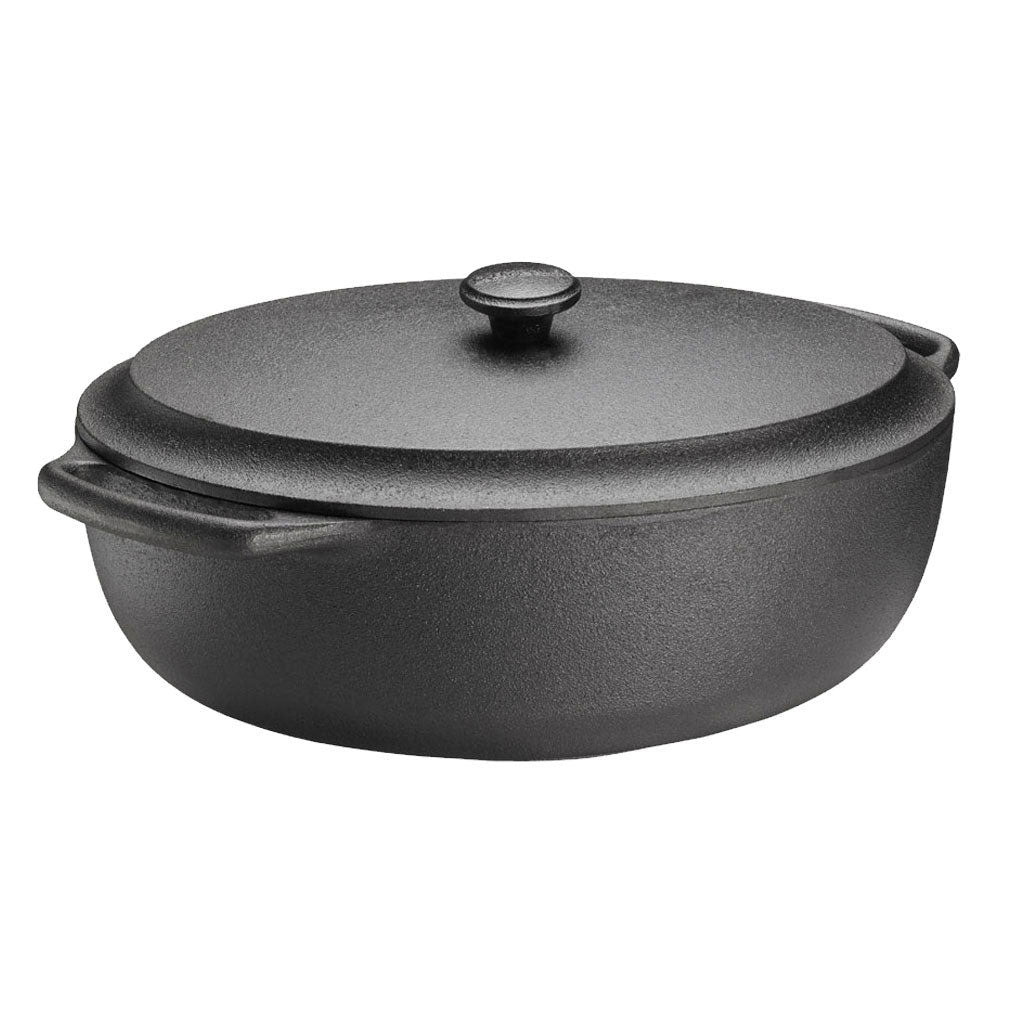
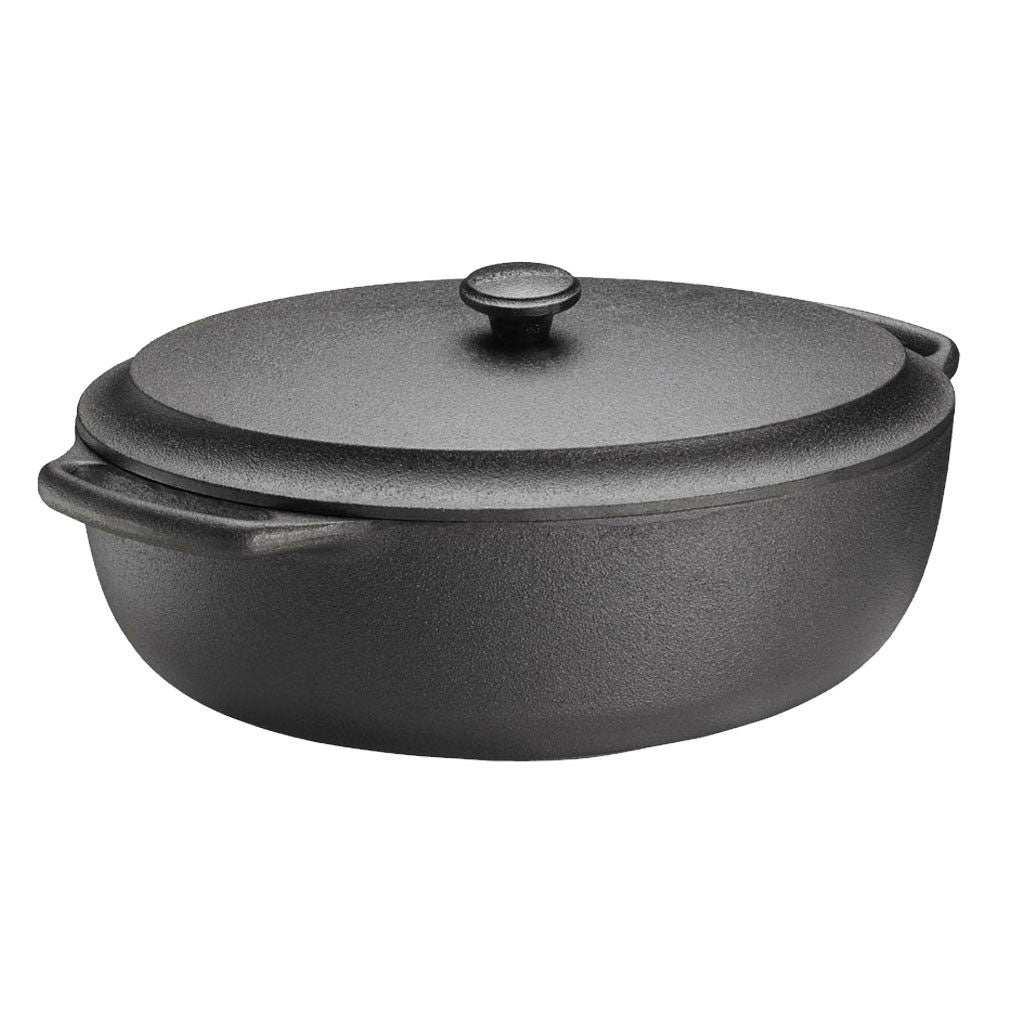
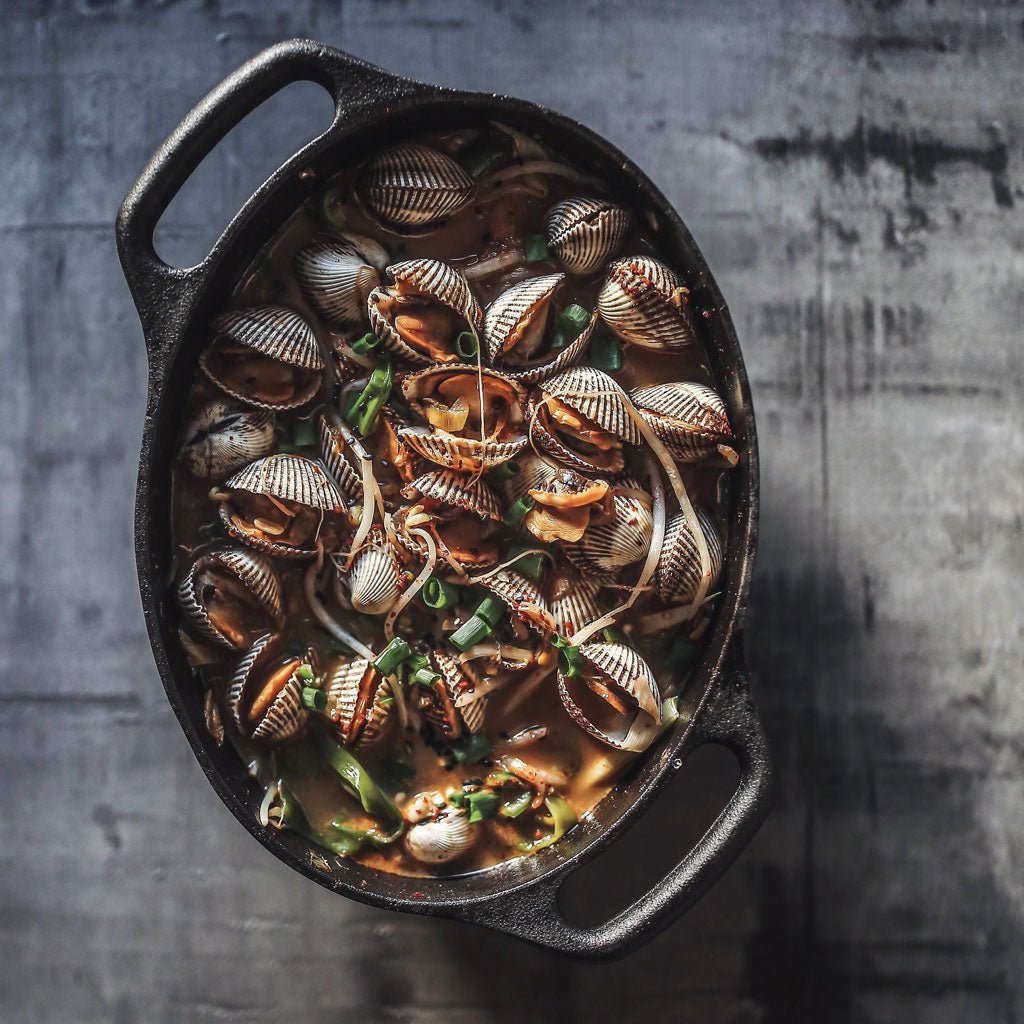
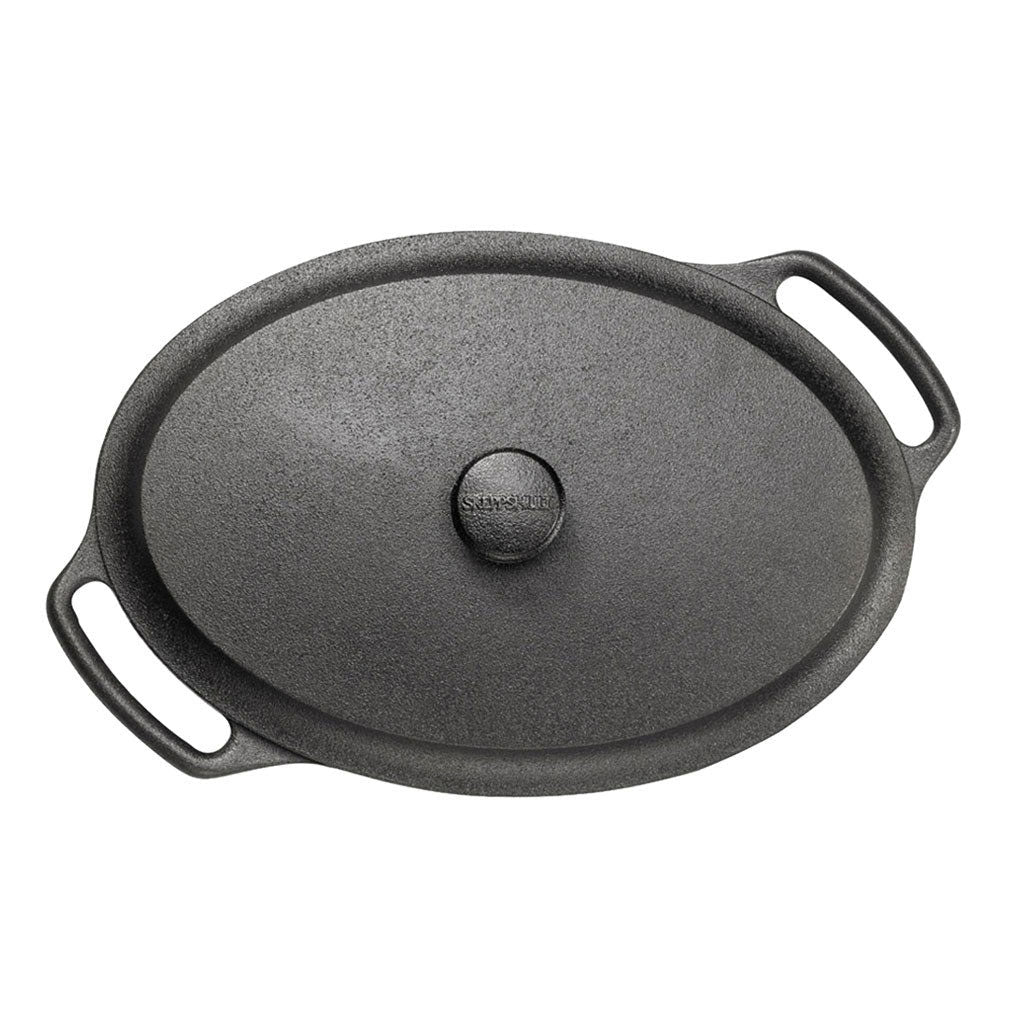
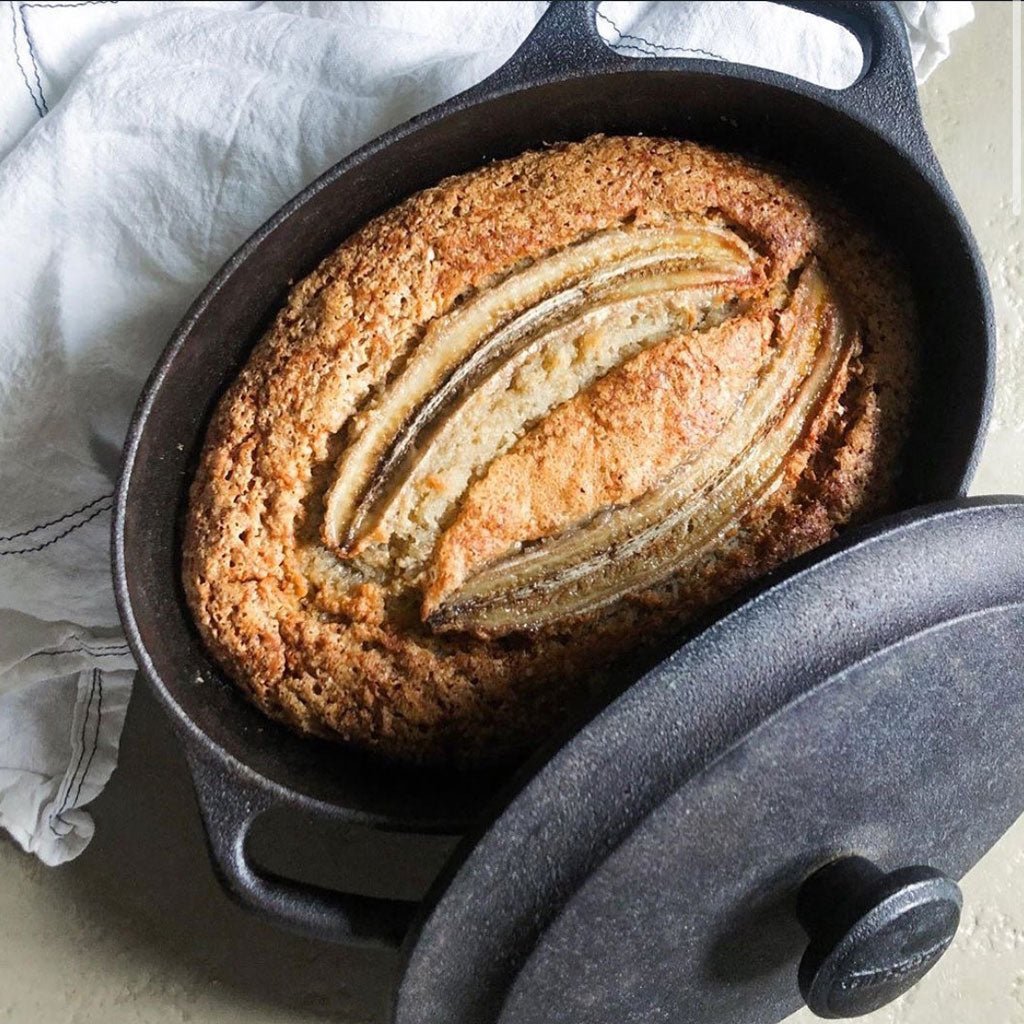
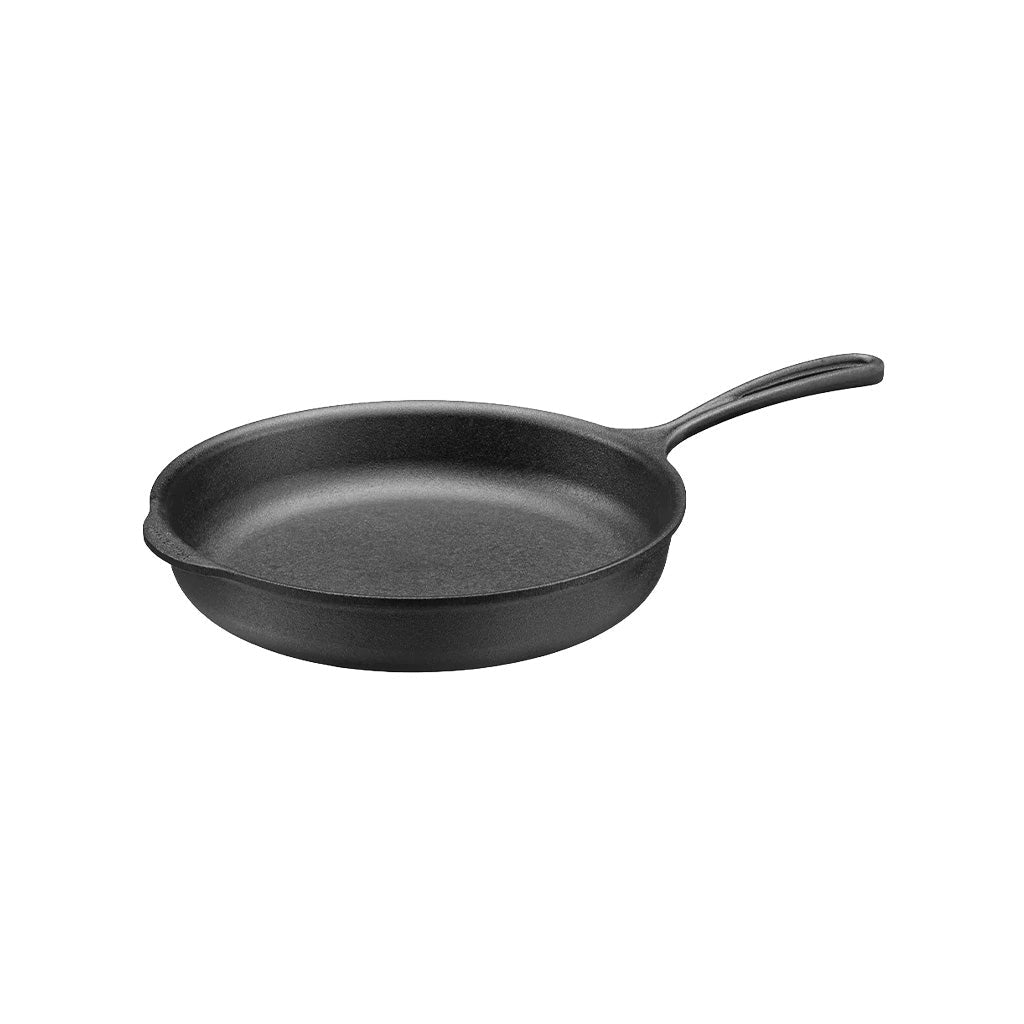
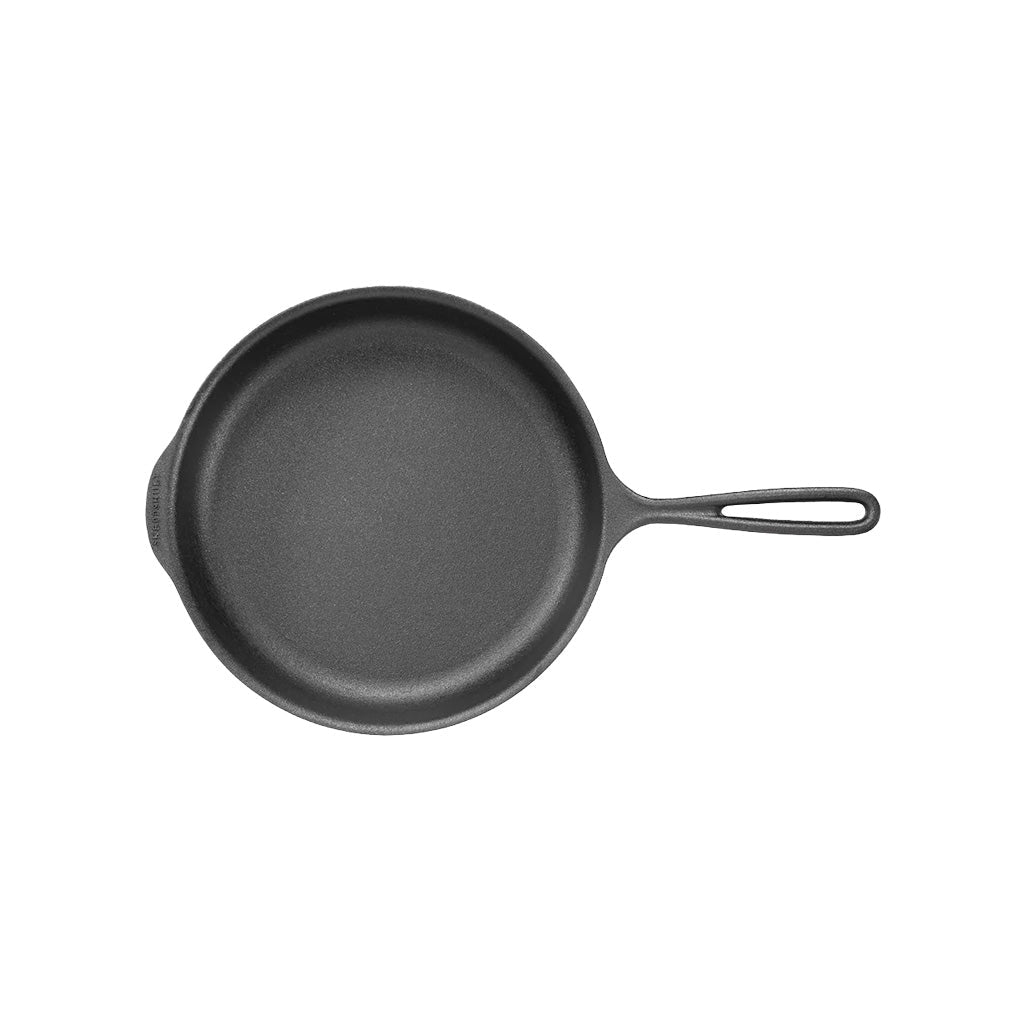
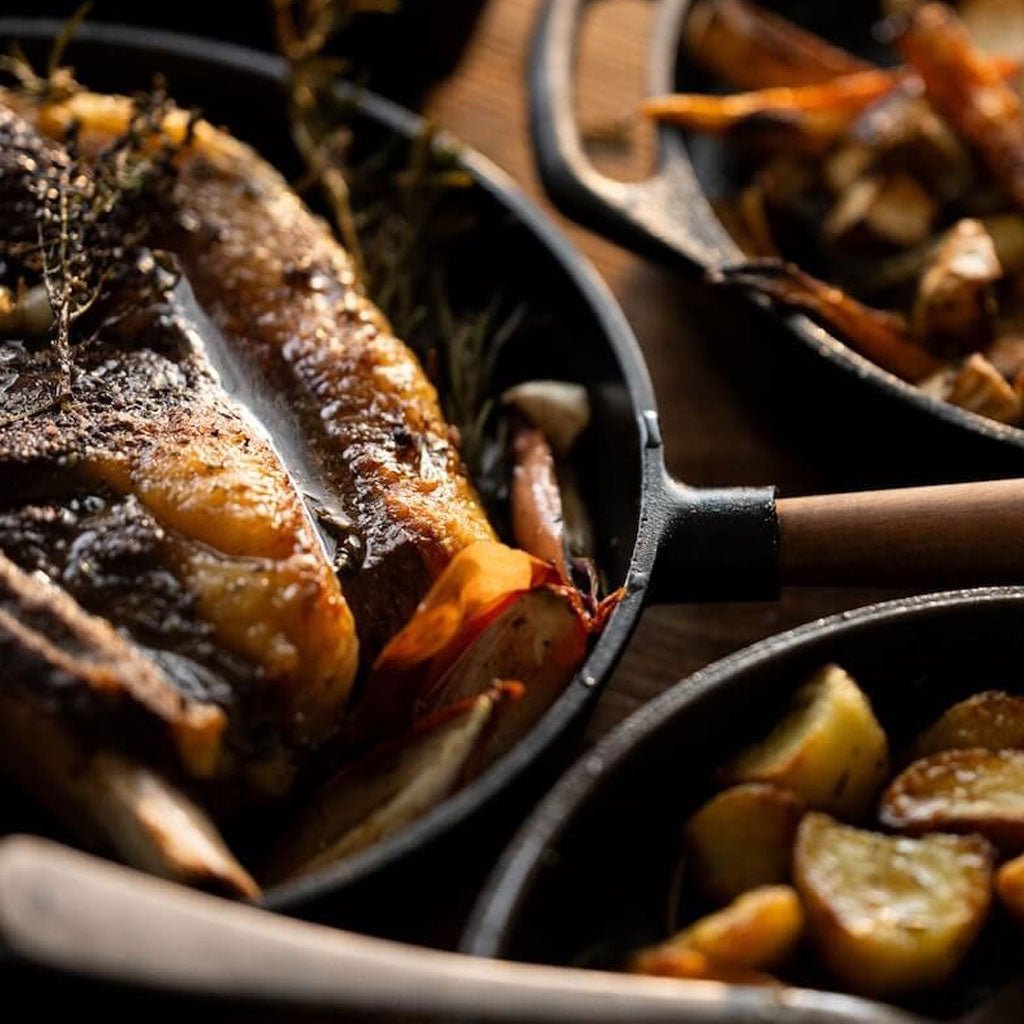
With its hefty weight and unique cooking properties, cast iron can feel intimidating at first. However, once you understand how it responds to heat and ingredients, cooking with cast iron becomes simple, intuitive, and rewarding. Unlike many modern cookware options, cast iron is designed to develop character through use and be enjoyed for generations.
We're here to break down the myths, share simple tips for using, cleaning, and caring for your cookware, and show how cast iron can become a trusted part of your everyday meals for years to come. Read below, then explore our full collection of cast iron cookware to start cooking with confidence.
Contents
About Cast Iron

Cast iron is a durable, versatile material, making it a reliable option for everyday cooking. From a small skillet to a family-sized Dutch oven, it delivers consistent heat for results you can count on meal after meal.
Made from naturally strong iron, cast iron cookware is known for its density, heat retention, and ability to maintain steady temperatures. These properties allow it to perform beautifully across the stovetop and oven, while regular cooking helps build a naturally seasoned surface that improves over time. It can also increase the iron content of certain foods, providing a small dietary benefit for a nutrient many people don’t get enough of.
We carry a full range of Skeppshult cast iron cookware, and these pieces have become staples in our daily cooking. Trusted in kitchens for generations, cast iron is built to be dependable and long-lasting. Once you understand a few key principles for cooking, cleaning, and care, maintaining your cookware becomes second nature.
Cooking Basics
Cast iron’s versatility comes from the way it responds to heat, allowing you to use it confidently across a variety of cooking techniques. Whether you’re searing, sautéing, baking, or roasting, understanding how cast iron heats and cooks will help you achieve the best results from your cookware.
First Time Use

Cast iron is designed to perform from the first use and develop even more character as it becomes part of your cooking routine. Some cookware, such as Skeppshult, arrives pre-seasoned and ready for cooking, allowing you to enjoy its naturally non-stick surface right away.
If you're using bare, unseasoned cast iron, you'll need to season it before cooking.
-
-
Wash the pan with warm water and a small amount of mild soap to remove any factory residue. Dry thoroughly.
-
Apply a very thin, even layer of a high-smoke-point oil to the cooking surface.
-
Heat the pan over medium heat until the oil begins to smoke lightly. Continue heating for a few minutes, then remove from the heat.
-
Let the pan cool completely, then wipe away any excess oil.
-
Repeat as needed to build the seasoning. With regular cooking and proper care, the seasoning will continue to improve over time.
-
Stovetop Cooking
Cast iron cookware works on induction, gas, electric, and ceramic cooktops. The extra-thick base of most cast iron pans provides excellent contact and stability, especially on induction cooktops.

When cooking on a stovetop, medium heat is best. Cast iron retains heat so efficiently that there's rarely a need for high temperatures—allow the pan to preheat gradually for even, beautiful results.
Use butter or an oil with a moderate to high smoke point, such as canola, avocado, or olive oil. Avoid rapid temperature swings for best results. We recommend using durable metal or wooden utensils, as they withstand high heat and can help maintain and smooth the seasoning over time.
Follow these simple steps for your first cook and the care that follows to help maintain the seasoning and keep your pan performing at its best.
-
-
If needed, rinse the pan with warm water and dry it thoroughly before cooking.
-
Preheat the pan over medium heat. If you're cooking lean foods, add a small amount of high-smoke-point oil once the pan is warm.
-
Cook as desired.
-
Allow the pan to cool slightly after cooking.
-
Wipe away any food residue, then rinse with warm water. Use a soft brush or scraper if needed. (A small amount of mild soap can be used occasionally if necessary.)
-
Dry the pan completely over low heat on the stovetop or with a towel. If the cooking surface looks dry, wipe on a very thin layer of oil before storing.
-
Oven Cooking
Solid cast iron pieces are also ideal for oven cooking and baking. Because cast iron retains heat so well, it promotes even browning, crisp crusts, and consistent baking results—making them perfect for casseroles, pasta bakes, and roasts.

For best results, follow these simple steps when using cast iron cookware in the oven.
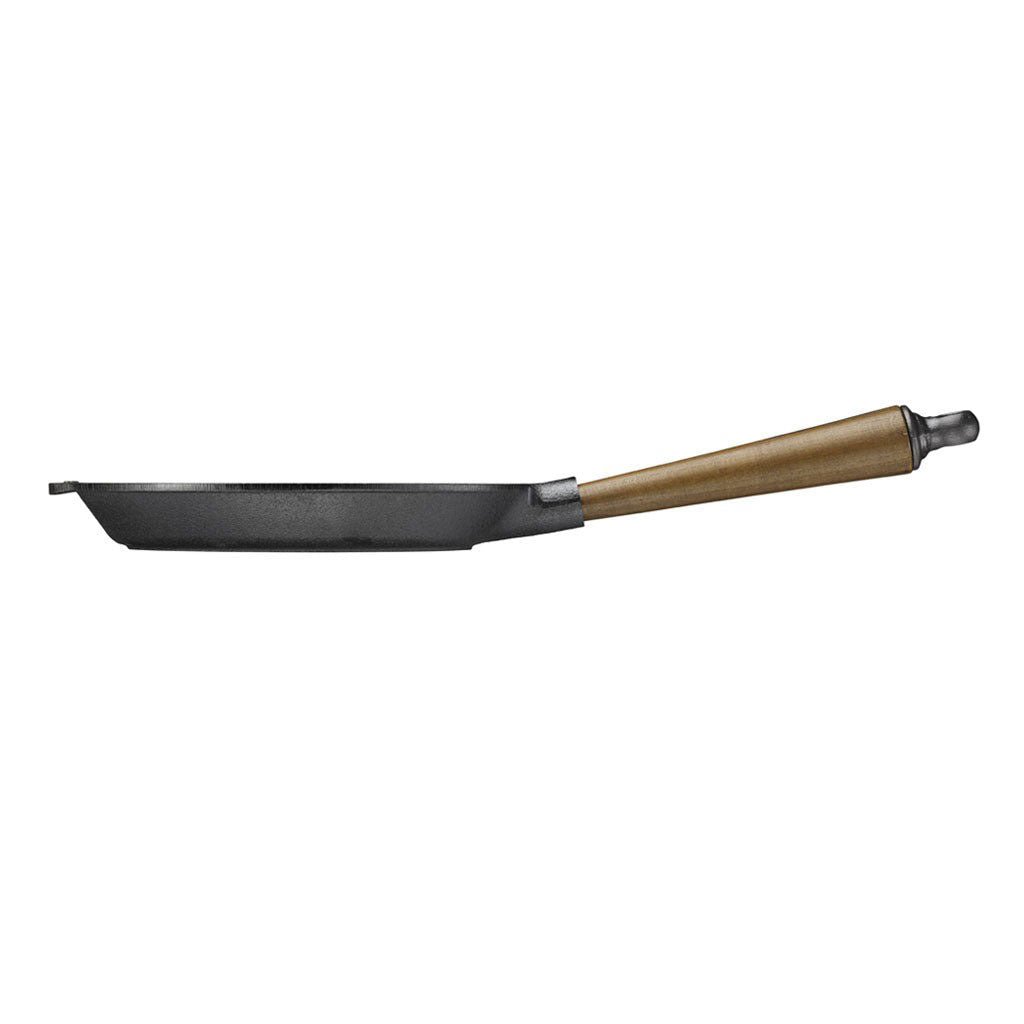
Note: Any cookware with a wooden handle is not oven safe. Only solid cast iron pieces should be used in the oven.
-
-
If needed, rinse the pan with warm water and dry it thoroughly before cooking.
-
Preheat your oven. (If the recipe calls for preheating the pan, place it in the oven while it heats to allow the pan to warm gradually.)
-
Cook as desired.
-
Carefully remove the pan from the oven using oven mitts. Allow the pan to cool after cooking.
-
Wipe away any food residue, then rinse with warm water. Use a soft brush if needed. (A small amount of mild soap can be used occasionally if necessary.)
-
Dry the pan completely in a warm oven or with a towel. If the cooking surface looks dry, wipe on a very thin layer of oil before storing.
-
Care & Maintenance
Like leather or wood, cast iron only improves with care and use. A few simple habits are all it takes to keep cast iron performing beautifully. From cleaning and drying to maintaining the cooking surface, these care practices help preserve the pan’s performance and appearance over time.
Cleaning Your Cast Iron
After cooking, rinse your cast iron with warm water and a soft dish brush. For stubborn, stuck-on food, use a gentle scrubber that won't strip the protective oil layer, or a BBQ-AID Chain Mail Scrubber. While soap is rarely needed, a small drop of mild dish soap is perfectly acceptable. Just avoid soaking your cookware, and always dry it thoroughly—either with a towel or a few minutes over low heat on the stovetop. And never put cast iron in the dishwasher.
If the surface of your frying pan appears brown or damaged, it may be time for a deep cleaning to restore its original luster.
-
-
Begin by filling the inside of the pan with coarse salt and a small amount of water.
-
Heat the pan at a high temperature for 1-2 minutes until all the water has evaporated.
-
Rinse away the salt and wipe the pan with a paper towel.
-
This process will leave the pan with a grey tint, indicating that it is ready to be seasoned again.
-
Rust Removal
Rust can occasionally develop on cast iron, especially if moisture is left on the surface. While prevention is ideal, it can be removed with prompt care and proper re-seasoning.
If rust does appear, follow these steps:
-
-
Scrub away rust with fine steel wool.
-
Rinse with warm water. (No dish soap!)
-
Dry the pan completely, including a few minutes over low heat to remove any remaining moisture.
- Follow up with a re-seasoning.
-
Once your pan is free of rust, it can be re-seasoned.
Re-Seasoning Your Cast Iron
If your pan’s surface starts to feel dull or food begins to stick, it’s time to season. Refresh your seasoning with just a few simple steps:
-
-
Clean and dry your pan.
-
Rub with a light, thin coat of oil. Canola, avocado, or vegetable oil works best.
-
Heat your pan on the stovetop until the oil smokes. Wait a few minutes for the smoke to settle.
-
Let cool and wipe off excess. Repeat if needed.
-
What to Avoid
Cast iron is built to last, but proper care helps maintain its character and performance over time. To protect the seasoning and finish, avoid these common habits:
-
-
Don’t soak your pan.
-
Don’t use harsh detergents or steel wool when cleaning. (Steel wool should only be used in the re-seasoning process.)
-
Never put it in the dishwasher.
-
Don't leave your pan wet after washing.
-
Avoid sudden temperature changes, such as running cold water over a hot pan.
-
Avoid cooking highly acidic foods for extended periods of time. Tomatoes, vinegars, and citrus juices can gradually weaken seasoning, especially during long simmering or repeated prolonged use. Occasional use of acidic ingredients in everyday cooking is fine, especially with a well-seasoned pan!
-
Skeppshult Cast Iron Cookware

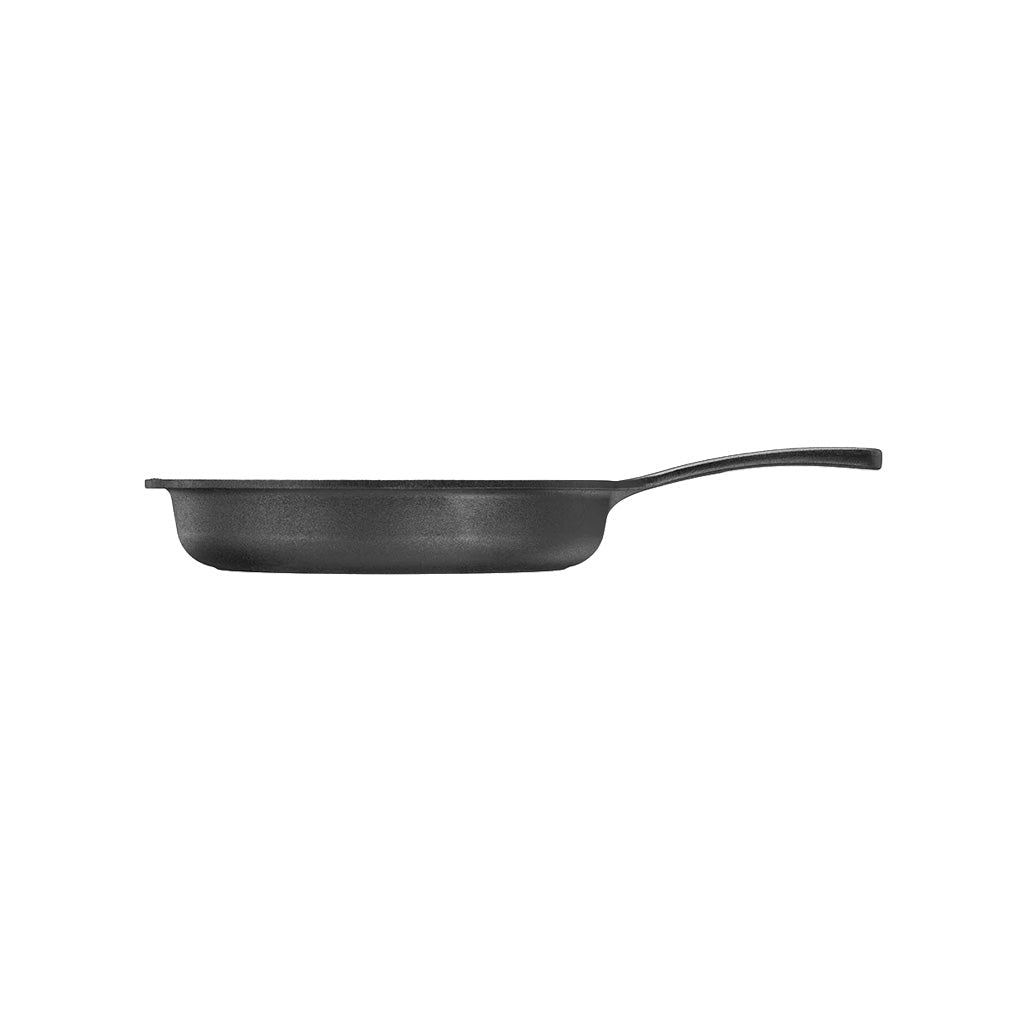
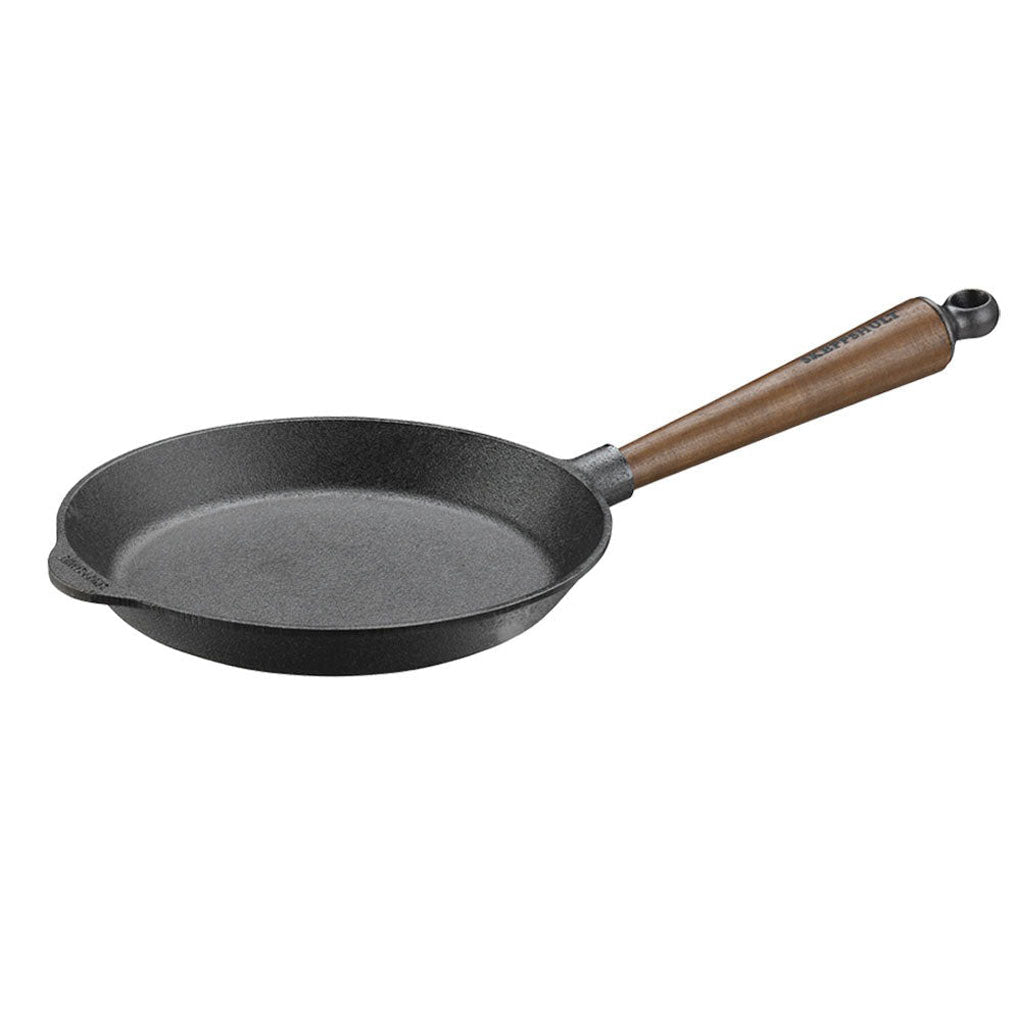
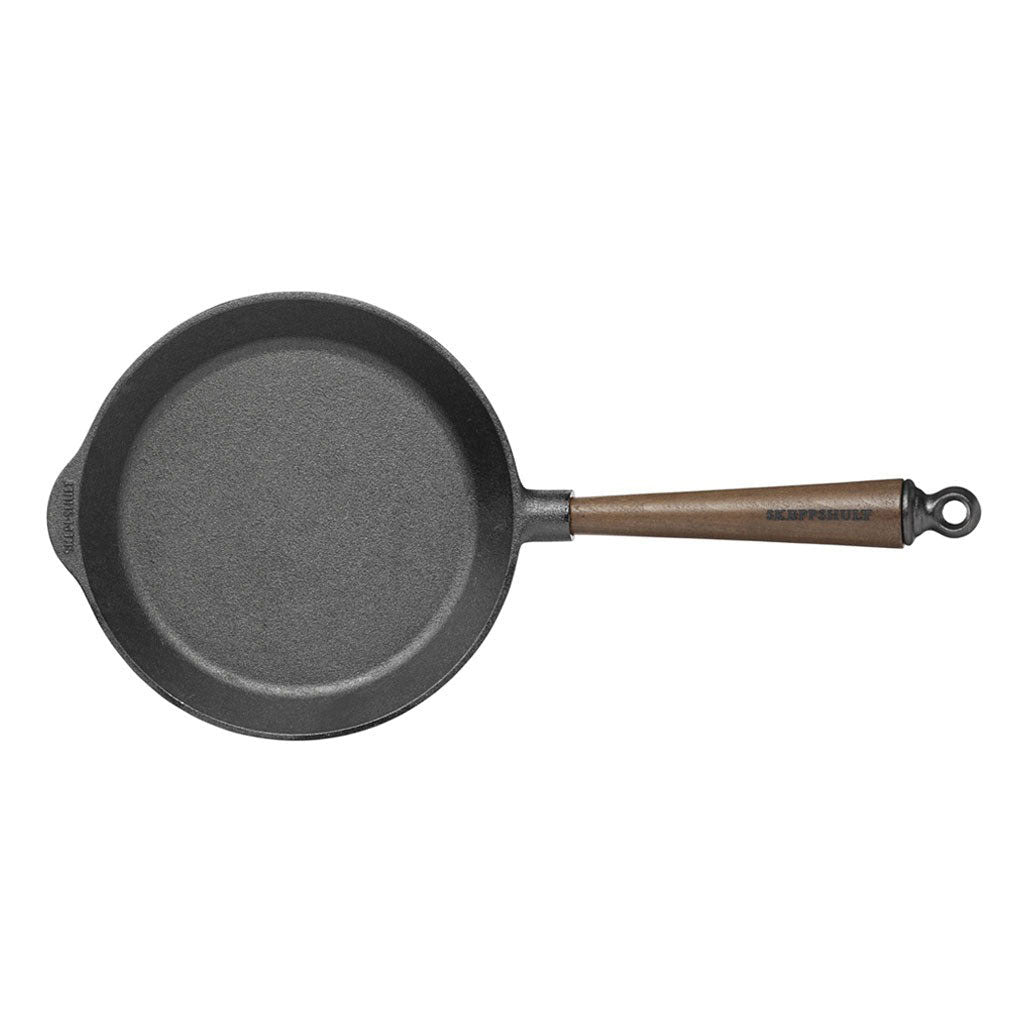
Every Skeppshult pan is made by hand in the same small village where the company began in 1906. Tucked away in Småland, Southern Sweden, the factory handles every step of production in-house, including pouring, finishing, seasoning, and inspecting. No shortcuts. No outsourcing. Just honest craftsmanship.
Skeppshult cookware is made from nothing but pure iron and organic canola oil—no synthetic coatings, no chemicals, and nothing artificial. Every pan is naturally non-stick and pre-seasoned, ready to use right out of the box.
Skeppshult offers a 25-year warranty on all of their cast iron. If anything goes wrong due to a defect, they’ll make it right. It’s not just a promise—it’s their belief that cookware should last longer than trends, and become part of your story for decades.
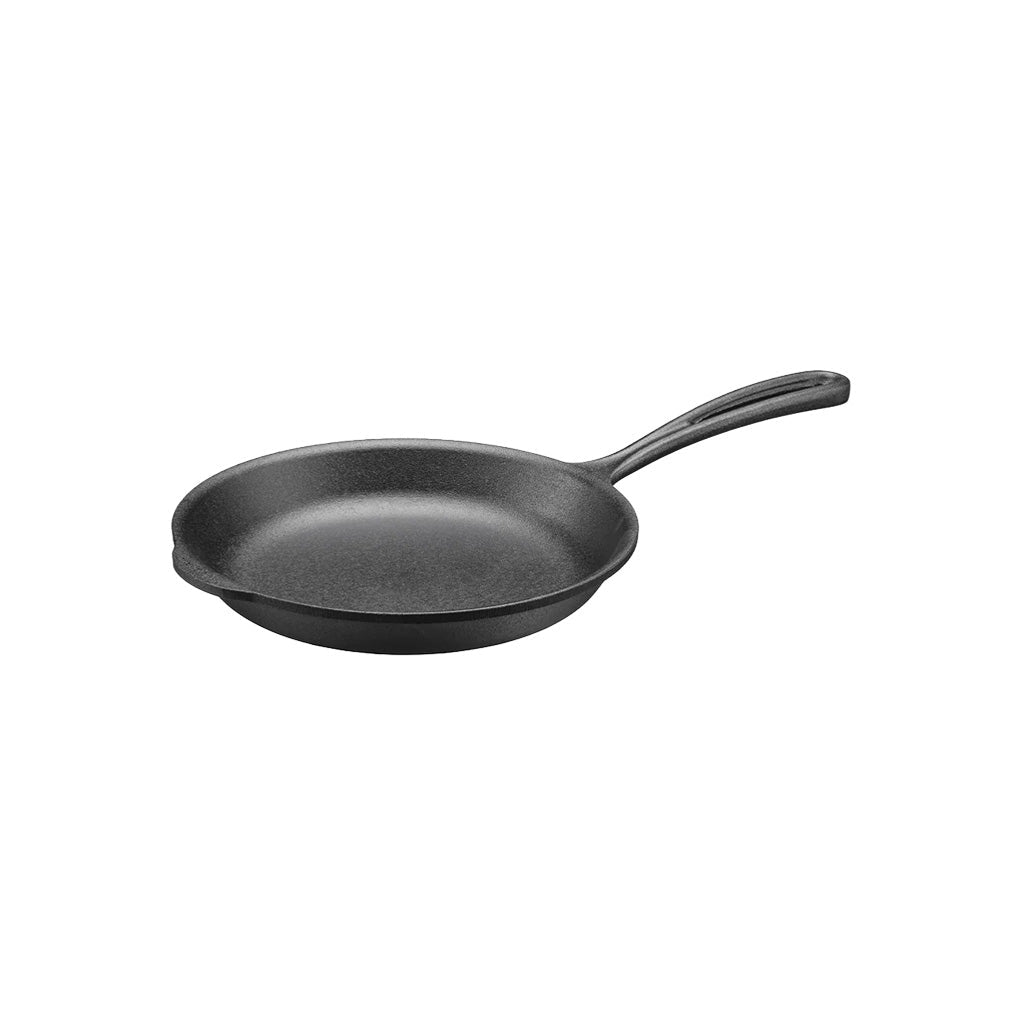
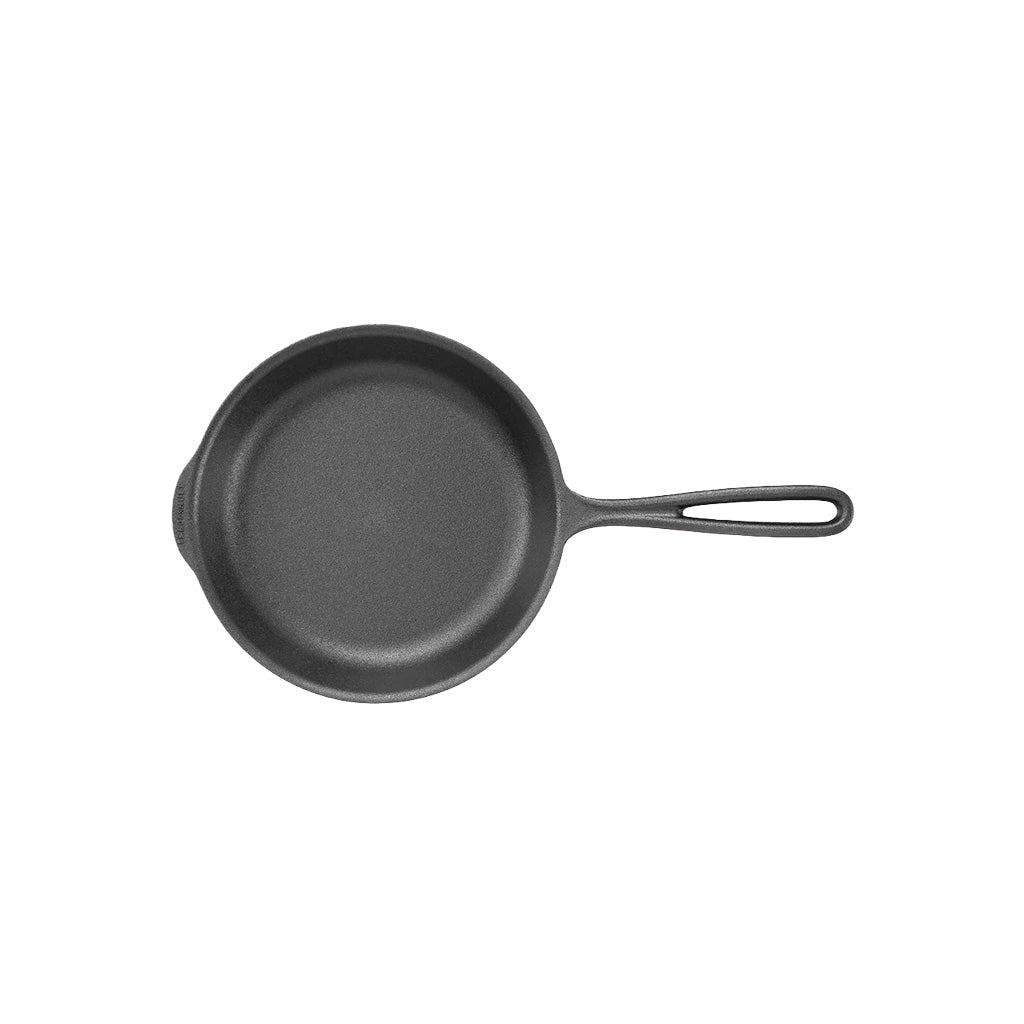
We carry a wide range of cast iron essentials, from small 8-inch skillets to large Dutch ovens and family-sized baking dishes. Explore our full Skeppshult collection, and discover the pieces that will feel right at home in your kitchen.
Crafted for Everyday Use

Now that you have the basics of cooking, cleaning, and caring for your cast iron, you're ready to enjoy everything it has to offer. From weeknight dinners to family gatherings, your cookware is ready to deliver consistent results for years to come.
Shop our Skeppshult collection to discover a full range of cast iron cookware.